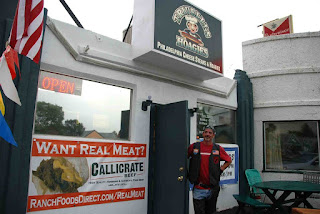
Steve and John Trivelli originally planned to keep Trivelli's 35th anniversary low-key. But their mother, Barbara, was having none of it. The timing also happens to coincide with the passing of family patriarch, John Sr., in 2005. "She wanted to make it a memorial," Steve says, adding that when Italians do something, they typically do it big. "At Trivelli's, we like to party; we like to have fun!"
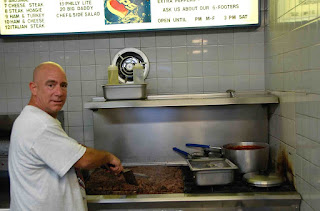
The tiny sub-shop - famous locally for its Philly cheese steak-style sandwiches - will have special festivities from 11 to 2 p.m. Friday, July 15, showcasing neighborhood businesses (including Ranch Foods Direct) grilling burgers and hot dogs, and offering hoagie specials throughout the day. John Jr., who plans to leave the shop in August to focus on marketing a line of children's books, will be signing copies of his delightful Wanna Bee series, which playfully introduces kids to various professions.
Trivelli's, still holding down the fort at the original 2927 N. Nevada, is a local institution. "We belong in an institution, that's for sure," Steve quips. Back in August 2005, Ranch Foods Direct ran an article on the family business in the newsletter to honor John Sr's passing. Since that time, brother Tony has left the former sub-and-pizza shop at Barnes and Austin Bluffs and moved to Florida. Steve says his mom (whom he calls "4-foot-8-inches of dynamite") is still "ornery as all get out" and, at 74, only just retired from working at the shop three months ago to do more traveling. She's planning to be at the store on the 15th to enjoy the celebration. (Steve and John also have two sisters, Barbie and Lynn, who both live in Mississippi.)
Steve admits the restaurant business is tough but says things have never been better at Trivelli's, which is seeing double digit growth in traffic every month. "We've done more advertising and direct mailing," he says. "But what's going on at a deeper level is that people are sick of the $5 sandwiches at Subway. Their meats and cheeses are the bottom of the line, and people are getting their fill of it." A 6-inch hoagie at Trivelli's is $5, bringing the price of the full meal deal to just under $8. The monster 12-incher goes for $10. "The value's there," Steve says. "There's no question about that."
One of the big selling points at Trivelli's is, of course, the tender beef from nearby Ranch Foods Direct. "I've got to buy good food; otherwise, I'll be a Subway," Steve says. "Our name is on the building. It means something to me. Everybody knows Trivelli's."
Roughly 200 customers a day rotate through the closet-size space, which also features a handy drive-through window, open Monday through Friday 10-8 p.m. and Saturdays 10-5 p.m.
Come by their celebration and show them some love on Friday, July 15!
Read a recent review from the Dine and Dash feature in the CS Indy.


 Chef Bob Blair and Fuel Cafe, a unique restaurant in a unique setting, hosted the inaugural Slow Food Denver "Community, Art, Food and Education" (C.A.F.E.) dinner last night. Three wonderful food projects in Denver were awarded $1,000 micro-grants from the evening's proceeds; they included a mobile farmer's market that will travel to under-served areas, a horticultural therapy program for at-risk teens, and a community garden emphasizing heirloom vegetables and seed-saving. For the main course, Bob Blair prepared a Callicrate Beef flank steak, cooked to a perfect deep crimson and presented against a beautiful palette of salsa verde and salsa rossa sauces, in green and chili red shades. The art of the food complimented the artwork exhibited throughout Fuel's unusual spaces (its high ceilings, wide halls and garage door openings.) Herbs and tomato plants were flourishing on the rain-washed patio outside.


